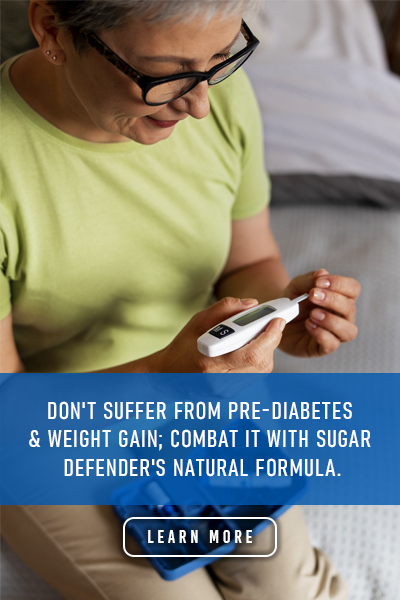

Health wellness is a vital aspect of our lives, and one of the critical components of maintaining overall health is managing blood sugar levels. In today’s fast-paced world, the prevalence of pre-diabetes, a condition characterised by higher than normal blood sugar levels, has been on the rise. This article aims to provide valuable insights into health wellness in blood sugar, mainly focusing on pre-diabetes. It will cover key aspects of pre-diabetes, including its causes, symptoms, risk factors, and practical tips for managing and preventing this condition.
Understanding Pre-Diabetes
Pre-diabetes is a condition in which blood sugar levels are higher than normal but not high enough to be diagnosed as type 2 diabetes. It is often a precursor to type 2 diabetes, and if left unmanaged, it can lead to serious health complications. Understanding the early signs and risk factors of pre-diabetes is crucial in taking proactive steps towards better health.
Causes and Risk Factors
Several factors contribute to the development of pre-diabetes, including genetics, lifestyle choices, and underlying health conditions. Obesity, lack of physical activity, poor diet, and family history of diabetes are common risk factors associated with pre-diabetes. It is essential to recognize these factors and take preventive measures to minimize the risk of developing pre-diabetes.
Recognizing the Symptoms
While pre-diabetes may not always exhibit noticeable symptoms, some individuals may experience increased thirst, frequent urination, fatigue, and blurred vision. It is important to be mindful of these symptoms and consult a healthcare professional for proper evaluation and diagnosis.
Importance of Lifestyle Modifications
Managing pre-diabetes involves making significant lifestyle changes. Engaging in regular physical activity, adopting a balanced and nutritious diet, and maintaining a healthy weight are pivotal in managing blood sugar levels. These lifestyle modifications not only help in preventing the progression to type 2 diabetes but also promote overall health and well-being.
Practical Tips for Managing Pre-Diabetes
1. Incorporate regular exercise into your routine, aiming for at least 150 minutes of moderate-intensity aerobic activity per week.
2. Focus on consuming a variety of nutrient-dense foods, including whole grains, lean proteins, fruits, and vegetables.
3. Monitor your blood sugar levels regularly and keep track of your progress.
4. Seek support from healthcare professionals, registered dietitians, and diabetes educators for guidance and personalized management strategies.
5. Stay informed and educated about pre-diabetes and its implications to make empowered decisions about your health.
Wrapping things up
Health wellness in blood sugar, particularly in the context of pre-diabetes, requires a holistic approach that encompasses awareness, proactive measures, and ongoing management. By understanding the causes, symptoms, and risk factors of pre-diabetes, individuals can take charge of their health and make informed choices to prevent the progression of this condition. Embracing lifestyle modifications and seeking support from healthcare professionals are pivotal in navigating the journey towards improved health and well-being.
Early signs of pre-diabetes include increased thirst, frequent urination, fatigue, and blurred vision. However, it may not always show noticeable symptoms, so regular check-ups are essential.
Lifestyle changes such as regular physical activity, a balanced diet, and maintaining a healthy weight can help manage blood sugar levels and prevent the progression to type 2 diabetes.
Natural supplements such as chromium, magnesium, and omega-3 fatty acids can support blood sugar management in those with pre-diabetes. Always consult with a healthcare professional before starting any supplement.
Focus on whole grains, lean proteins, fruits, and vegetables. Planning meals ahead and choosing whole, unprocessed foods can help ensure you’re getting the nutrients needed for managing pre-diabetes.
Monitoring blood sugar levels helps track your progress and make informed decisions about diet and lifestyle adjustments to prevent the progression to type 2 diabetes.