
Introduction
Weight loss supplements have gained significant popularity in recent years, especially among individuals looking to manage their blood sugar levels, particularly in pre-diabetes. As the prevalence of diabetes continues to rise globally, there is a growing interest in understanding the potential impact of weight loss supplements on blood sugar regulation. In this article, we will explore the key aspects of weight loss supplements in the context of blood sugar management, providing valuable insights and practical tips for individuals interested in this topic.
Understanding Pre-Diabetes and Blood Sugar Management
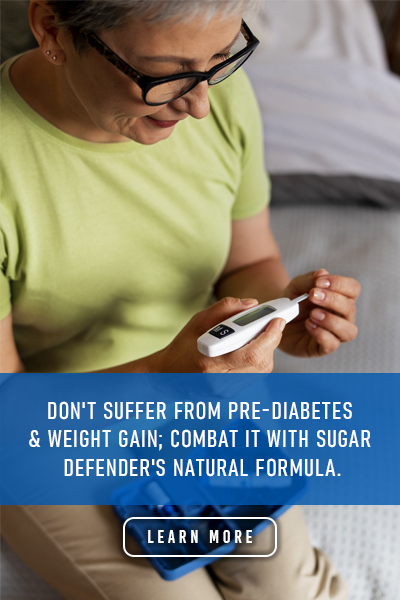
Pre-diabetes is a condition characterized by higher than normal blood sugar levels, but not high enough to be classified as type 2 diabetes. It is a critical stage where proactive measures, including lifestyle changes and dietary modifications, can effectively prevent the progression to type 2 diabetes. Managing blood sugar levels is essential in pre-diabetes, and weight loss can play a pivotal role in improving insulin sensitivity and overall metabolic health.
The Role of Weight Loss Supplements
Weight loss supplements encompass a wide range of products, including vitamins, minerals, herbal extracts, and other compounds that claim to aid in weight management. When it comes to blood sugar management in pre-diabetes, certain weight loss supplements have shown promise in supporting metabolic health and insulin sensitivity. For example, ingredients such as chromium, berberine, and alpha-lipoic acid have been studied for their potential to modulate blood sugar levels and promote weight loss in individuals with pre-diabetes.
Important Considerations
Before incorporating weight loss supplements into a blood sugar management regimen, it is crucial to consult with a healthcare professional, particularly a registered dietitian or a physician specializing in metabolic health. Individual responses to supplements can vary, and potential interactions with existing medications must be carefully evaluated. Furthermore, the quality and safety of weight loss supplements should be thoroughly researched, and reputable brands with transparent ingredient sourcing and manufacturing practices should be preferred.
Practical Tips for Choosing Weight Loss Supplements
When selecting weight loss supplements for blood sugar management, consider the following practical tips:
- Look for products that have been tested in clinical studies for their efficacy in supporting weight loss and blood sugar regulation.
- Opt for supplements that are free from unnecessary additives, fillers, and artificial ingredients.
- Seek guidance from a healthcare professional to determine the appropriate dosage and frequency of supplementation.
- Consider the overall dietary and lifestyle factors in conjunction with weight loss supplements for comprehensive blood sugar management.
Wrapping things up
Weight loss supplements can be valuable tools in supporting blood sugar management, especially in the context of pre-diabetes. However, it is essential to approach their use with careful consideration, emphasizing collaboration with healthcare providers and a focus on overall lifestyle modifications. By understanding the potential benefits and limitations of weight loss supplements in the context of blood sugar regulation, individuals can make informed decisions to promote their metabolic health and overall well-being.
Early signs of pre-diabetes include increased thirst, frequent urination, fatigue, and blurred vision. However, it may not always show noticeable symptoms, so regular check-ups are essential.
Lifestyle changes such as regular physical activity, a balanced diet, and maintaining a healthy weight can help manage blood sugar levels and prevent the progression to type 2 diabetes.
Natural supplements such as chromium, magnesium, and omega-3 fatty acids can support blood sugar management in those with pre-diabetes. Always consult with a healthcare professional before starting any supplement.
Focus on whole grains, lean proteins, fruits, and vegetables. Planning meals ahead and choosing whole, unprocessed foods can help ensure you’re getting the nutrients needed for managing pre-diabetes.
Monitoring blood sugar levels helps track your progress and make informed decisions about diet and lifestyle adjustments to prevent the progression to type 2 diabetes.